


Proposed Trump Compensation Fund Fuels Debate Over Selective Justice

The Trump administration is facing mounting criticism after announcing plans to create a nearly $1.8 billion federal compensation fund for individuals who claim they were unfairly targeted or “weaponized against” by the federal government. Critics, including congressional Democrats and government watchdog groups, have labeled the proposal a political “slush fund” designed to benefit Trump allies and supporters.
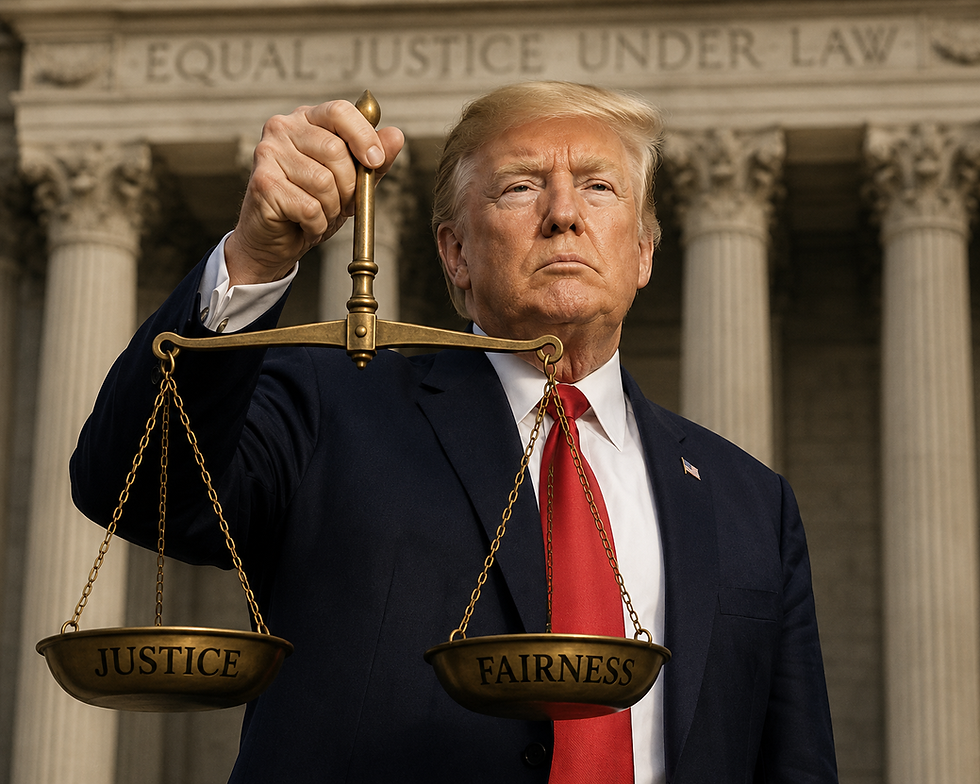
The proposed “Anti-Weaponization Fund,” valued at approximately $1.776 billion, emerged as part of a settlement agreement tied to President Donald Trump’s $10 billion lawsuit against the Internal Revenue Service over the leak of his confidential tax returns. Under the deal, Trump agreed to drop the lawsuit in exchange for a formal apology and the establishment of the compensation fund.
According to reports, the fund would be overseen by a five-member commission, with four commissioners appointed by the attorney general and subject to removal by Trump. The commission would have authority to review claims, issue financial compensation, and even provide formal apologies to individuals deemed "victims of political targeting or lawfare.”
Supporters of the proposal argue the fund is intended to address alleged abuses of federal power, particularly against conservatives and Trump supporters. Trump allies have long claimed the Justice Department, FBI, and other agencies were weaponized for political purposes during investigations into Trump, the January 6 Capitol riot, and other high-profile cases.
Reports indicate potential beneficiaries could include former Trump advisers, January 6 defendants, and other individuals prosecuted or investigated during previous administrations. Some reports even noted that Hunter Biden could theoretically qualify to apply for compensation under the broad structure of the fund.
Opponents, however, say the proposal raises serious constitutional and ethical concerns. Critics argue the executive branch cannot create and distribute billions in taxpayer-funded compensation without congressional authorization. Legal experts and watchdog organizations have questioned whether the arrangement violates federal appropriations law and creates unprecedented political control over public funds.
Several Democratic lawmakers have condemned the proposal, describing it as a misuse of taxpayer money and an attempt to reward political allies. Government transparency advocates have also raised concerns about the lack of public oversight, noting that the commission would reportedly operate with limited disclosure requirements and confidential reporting mechanisms.
The controversy comes amid broader national debates over claims of political retaliation and government weaponization under both Democratic and Republican administrations. Trump and his supporters have repeatedly accused federal agencies of unfairly targeting conservatives, while critics of the president argue his administration has itself used federal power to target political opponents, law firms, universities, and advocacy groups.
The proposed fund is expected to face legal challenges in federal court as opponents seek to block its implementation.


Comments