


Will RCSD’s New Safety Plan Build Trust and Keep Schools Safe?

Rochester families deserve clear answers about how the Rochester City School District’s proposed safety changes will protect students. Greater reliance on internal security could strengthen relationships and prevent conflicts. However, reducing routine police coverage requires evidence that replacement systems are ready, adequately staffed, and capable of responding when serious emergencies occur.
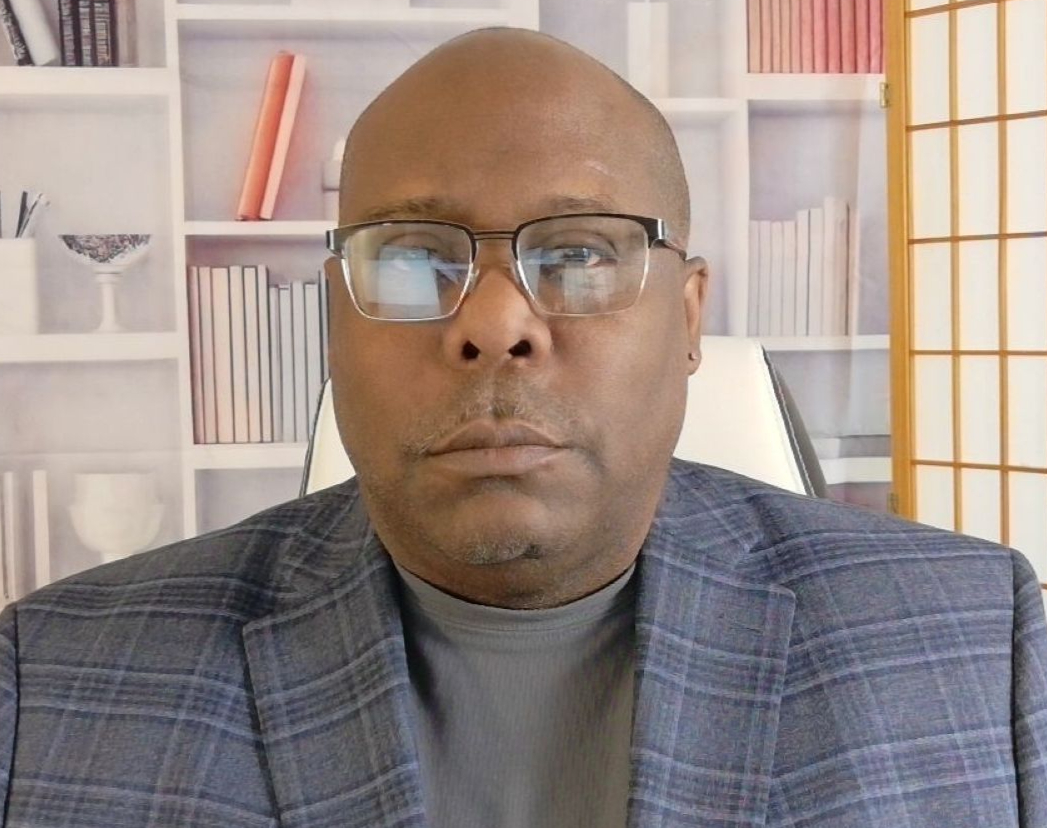
My perspective comes from 25 years as a teacher and seven years as a school administrator. In challenging schools and alternative education programs, I often worked alongside or interacted with Rochester Police Department officers and school security personnel. Those experiences taught me that relationships and dependable emergency assistance both matter.
[Watch my podcast on this subject HERE]
According to News10NBC, the proposal includes additional school safety officers, another mobile response unit, and a centralized command center. Training would emphasize de-escalation, student engagement, and trauma-informed practices. Police would remain available for serious incidents while routine coverage, including arrival and dismissal patrols, would be phased out.
I commend Superintendent Dr. Eric Rosser and the Board of Education for exploring approaches that support student dignity. Safety officers who know students can recognize developing conflicts and intervene early. Students may also be more willing to report concerns to adults who listen respectfully and understand their circumstances.
For Black students, equitable treatment must be an explicit expectation. Internal security personnel need preparation in disability awareness, trauma-informed responses, and bias prevention. Families need accessible complaint procedures. Replacing personnel without establishing consistent standards could reproduce the same concerns about fairness that communities have raised regarding school policing.
The district should begin with a brief, structured pilot before reducing existing coverage. Fill essential positions, test emergency communications, and examine response times. Practice situations involving simultaneous incidents at different schools. Identify weaknesses, make adjustments, and report findings before expanding changes. A pilot should establish readiness through observable performance.
Staffing commitments must be specific. How many officers will each school receive? Who provides backup during absences? What happens when mobile personnel are already responding elsewhere? Teachers need dependable assistance and clear responsibilities. They should never become the default substitute for unavailable security personnel beyond their training and assigned roles.
Emergency procedures must permit employees facing immediate danger to call 911 without waiting for central approval. Arrival and dismissal also require campus-specific assessments. Traffic patterns, surrounding conditions, and documented incidents differ across schools. Coverage decisions should reflect those differences, with flexibility to retain or restore assistance where evidence supports it.
Accountability must extend beyond counting training sessions or purchasing technology. Commissioners should regularly review serious incidents, injuries, response times, police referrals, and student and employee perceptions of safety. Reports should protect privacy while showing whether conditions improve. Financial reporting should explain the full operating cost and any claimed savings.
Community members should ask three questions: What staffing and backup will each school receive? How will rapid emergency assistance be ensured? What evidence will demonstrate improvement? Students, families, and employees deserve meaningful participation before changes occur. RCSD can earn confidence by answering those questions publicly and adjusting its approach when results reveal gaps in protection or support.
~
Dr. Josh J. Mack hosts EdTalksDaily, a podcast that explores educational issues through practical insights, community perspectives, and calls to action that empower families and expand opportunities for young people. Dr. Mack is an educator, former school administrator, and community advocate with more than 30 years of experience supporting students, families, and underserved communities.


Comments